

Project Mosaic: Assessing the Needs of Transgender, Gender-Diverse, Ethnic and Religious Minorities and Individuals with Disabilities in Singapore’s LGBTIQA+ Community
Introduction
After months of dedicated work, we are thrilled to present this report, which seeks to address the longstanding gap in data and visibility on the lived experiences of LGBTIQA+ individuals in Singapore, particularly those whose identities intersect with other marginalised groups. It offers a closer look at their experiences of safety, dignity, and equity in everyday life. It also considers how these experiences may be shaped by factors such as gender identity, race, religion, and disability.
Through an online survey and focus group discussions (FGDs), we highlight the systemic shortcomings and amplify the voices and needs of LGBTIQA+ individuals who are most affected. These findings serve as a starting point – they are an invitation to reimagine systems and practices and a call for future collaborative research centred on the most marginalised within the queer community.
It is our hope that this report not only informs but also inspires meaningful reflection, dialogue, and action toward greater inclusion. As you read on, we invite you to consider how these insights might shape your work, your community, and the future we build together.

Support RainbowAsia today 🌈
Your donation supports meaningful research and programmes that aim to build a safe and inclusive community for LGBTQ+ youths in Singapore.
DonateIntersecting Identities
Grounded in Kimberlé Crenshaw's concept of intersectionality, this study explores the lived realities of LGBTIQA+ individuals in Singapore whose identities intersect across gender, race, religion, and disability. Rather than presenting a singular narrative, it amplifies the diverse and often overlooked voices that demonstrate the complexity of marginalised queer experiences in Singapore.
Read on for a breakdown of the demographics of the study's survey and FGD participants, as well as their effects on several aspects of life.
-
Age groups of survey participants
-
Gender of survey participants
-
Gender of focus group participants
-
Sexual orientation of survey participants
-
Ethnicity of survey participants
-
Religion of survey participants
-
Disability status of survey participants

Healthcare Services
LGBTIQA+ individuals with intersecting marginalisations voiced serious concerns over the inaccessibility of Singapore’s healthcare system—pinpointing financial constraints, regulatory hurdles to gender-affirming care, provider bias, and lack of inclusive practices as key systemic barriers. Drawing on international research and overseas policy interventions, the participants identified ways to improve both access to and the quality of healthcare.

of survey participants accessed healthcare services
Key findings
Financial Inaccessibility
High Barriers to Gender-Affirming Care
Prejudice and Bias Among Healthcare Providers
Lack of Safety Protocols and Inclusive Practices
Key recommendations





Mental Health Services and Wellbeing
Participants explained that mainstream initiatives often fall short in addressing the complex, deeply rooted challenges faced by LGBTIQA+ individuals with intersecting identities. Unique stressors highlighted by the community include social rejection, systemic erasure, and heightened exposure to discrimination (even within therapeutic spaces). As a starting point, they advocated for holistic, trauma-informed, and queer-affirming mental healthcare to bridge some of these gaps.

of survey participants accessed mental health services in the past year
survey respondents experienced key mental health challenges
Key findings
Lack of Social and Family Support
Disparities in Therapeutic Care and Disclosure
Fragmented Care Systems
Key recommendations






Employment Support and Workplaces
Several participants report how the workplace is often unsafe, marked by stifling gendered expectations, fears of disclosure, harassment, poor employee protections, and job insecurity due to accountability failures and precarity. They called for the development of anti-discrimination safeguards and supportive structures to improve their feelings of safety and well-being.

of survey participants sought employment support in the past year
Key findings
Gendered Expectations
Concerns around Disclosure, Harrassment, and Discrimination
Poor Employee Protection and Accountability Failures
Employment Precarity
Key recommendations







Housing Services and Support
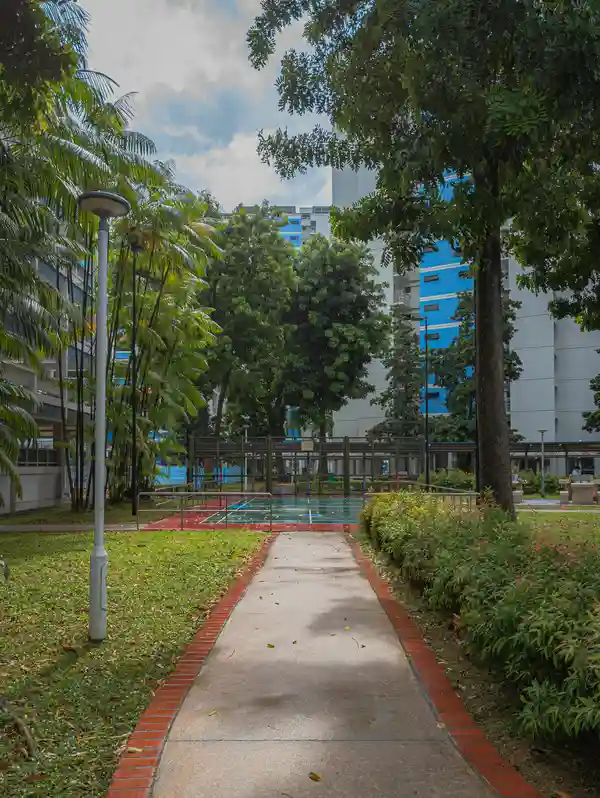
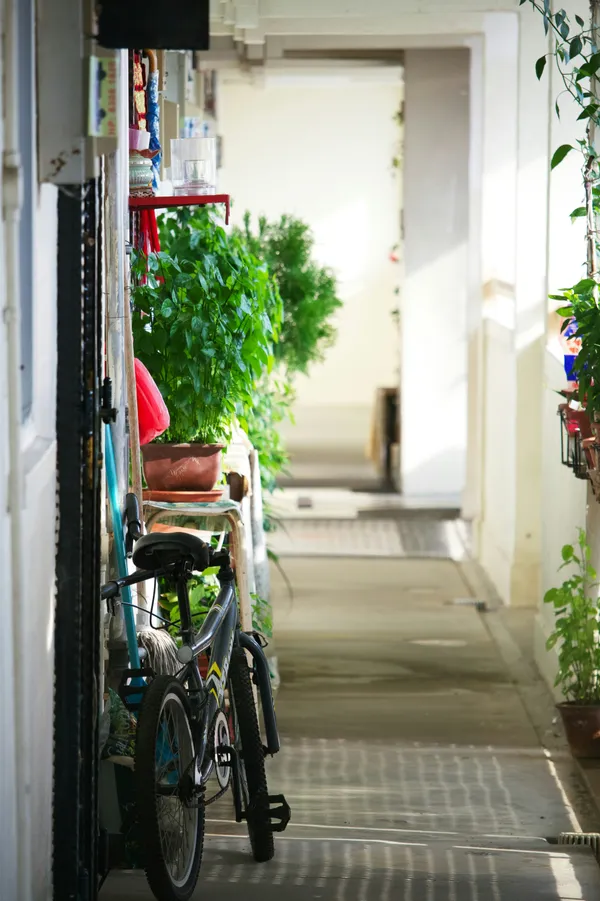
Safe, stable, and affirming housing remains out of reach for many LGBTIQA+ individuals in Singapore. Those with intersecting marginalisations faced compounded challenges due to discriminatory policies, housing instability due to family estrangement, rental stigma, and the lack of inclusive housing pathways. Participants called for a review of current public housing rules and the development of diverse housing models that fit their lived realities.

of survey participants accessed housing services in the past year
Key findings
Gatekeeping and Institutional Violence in Tertiary Institutions
Structural Sacrifices: Navigating Housing, Health, and Survival
Safety, Surveillance and the Cost of Leaving: Legal Exclusion and Housing Inaccessibility
Key recommendations

Educational Services and Experiences
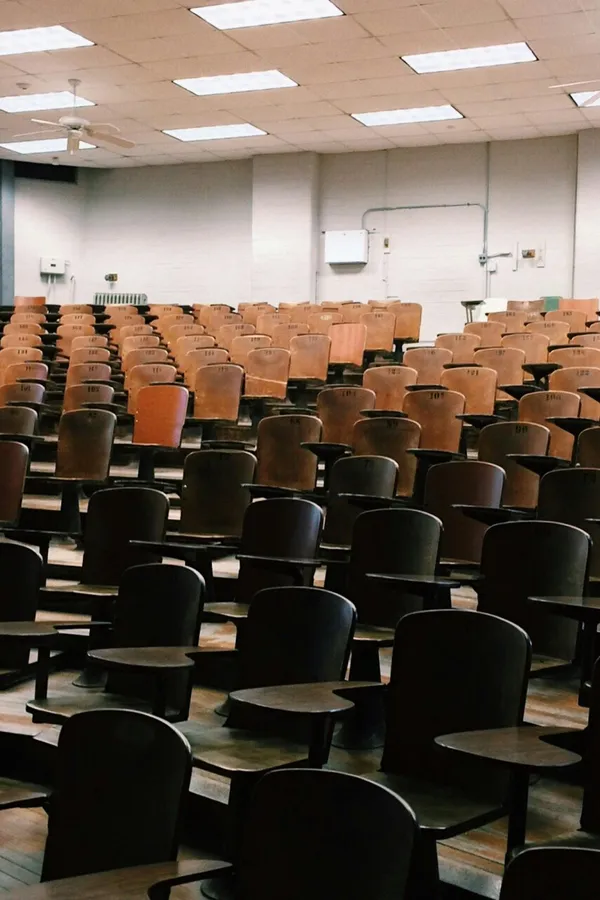
LGBTIQA+ students in Singapore’s conservative education system often face identity erasure, bullying, and exclusion. Transgender and non-binary participants in particular reported peer bullying as well as institutional silence and active punishment as major sources of emotional distress and alienation. Our participants called for a fundamental change in our school culture to one that embraces inclusivity and affirmation.

of survey participants experienced stigma at educational institutions
Key findings
Learning Conformity: Queer Harm in Schools
Lack of Queer-Inclusive Education
Barriers to Affirmation and Structural Misrecognition
Key recommendations





Religious Spaces and Experiences
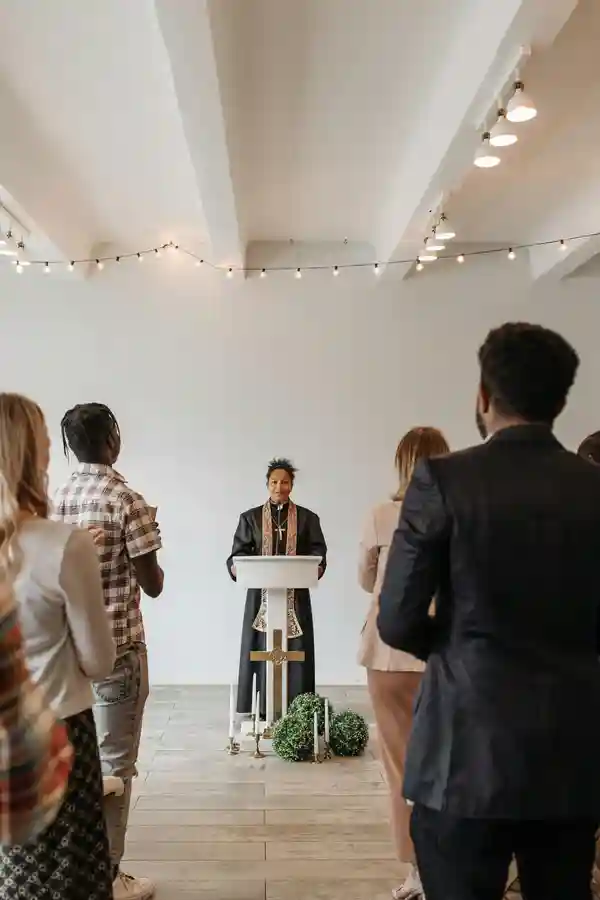
Queer people of faith still face significant stigma and disconnection from both religious communities and LGBTIQA+ spaces, which aggravate their feelings of isolation and internal conflict. Many still seek affirming environments that embrace both their spiritual and queer identities while helping them to heal from past religious trauma.

of survey participants experienced stigma in religious spaces
Key findings
Facing and Navigating Identity Conflicts
Fear, Ostracism, and Trauma in Religious Spaces
Isolation within the LGBTIQA+ community
Key recommendations






Legal Services
Our participants reported how rigid gender markers, exclusionary policies, and dehumanising interactions in legal and bureaucratic systems are detrimental to their well-being, particularly among transgender and non-binary people. They outlined key structural shifts that are desperately needed to reduce systemic exclusions.

of survey participants accessed legal services
Key findings
Bureaucratic Barriers to Legal Recognition and Protection
Gender Markers, Misgendering, and Invisibility
Legal Vulnerability and Lack of Anti-Discrimination Protections
Key recommendations







Community Support
Living at the intersection of multiple marginalised identities often means being an afterthought in community events and organising. Our participants expressed dissatisfaction with the inaccessibility and occasional unsafety of current events, and shared valuable recommendations to foster greater inclusion.

Key findings
Lacking in Diversity: Expanding Community Spaces for Socialising
Who Gets Left Out? Underrepresented Groups in Queer Spaces
Supporting Marginalised Populations through Targeted Programs
Key recommendations



Acknowledgments
The RainbowAsia team expresses its deepest gratitude to Kaleidoscope Trust, whose belief in this project and its mission enabled us to carry out this work. Established in 2011, Kaleidoscope Trust is a UK-based international charity fighting for a future where LGBTI+ people everywhere can live free, safe and equal lives.
We are deeply grateful to all the LGBTIQA+ community members who dedicated their valuable time by participating in the survey and focus group discussions. We would like to thank our volunteer facilitators, transcribers, and data analysts, whose labour, insights, and commitment ensured the quality and depth of this research. Thanks to our community partners and organisational collaborators for helping us to reach a diverse range of participants, and to Proud Spaces for offering space and support for our focus group sessions and for their ongoing partnership.
We would also like to thank the members of the RainbowAsia team who were involved in project coordination, data analysis, writing, and review: Raag Sudha (she/they), Caitlin C. Fernandez (they/them), Joshua Ng (he/him), Emily Sng (she/her), Bonnie Siew (they/them), Kingston Chee (he/him), and Elliott Sim Weizhi (he/him).
Project Mosaic is dedicated to all those working towards a more just, inclusive, and affirming Singapore for LGBTIQA+ individuals of all identities and experiences.



















Social Interactions and Relationships
Our participants not only have to contend with widespread social misconceptions and censorship which limit authentic portrayals of their identities in everyday life, but also endure feelings of invisibility and exclusion within queer spaces due to their intersecting identities. Through their responses and discussions, we learnt ways to enhance their belonging and safety in broader society as well as in queer circles.
of survey participants experienced stigma or discrimination due to their LGBTIQA+ identity
Most common types of stigma and discrimination among survey participants who reported being discriminated due to their LGBTIQA+ identity
Most common locations of stigma and discrimination among survey participants who reported being discriminated due to their LGBTIQA+ identity
Do you feel safe expressing your LGBTIQA+ identity in daily life?
What factors contribute to you feeling safe or unsafe as a LGBTIQA+ person in your daily life?
Key findings
Social Misconceptions of Queer Identities
Censorship of LGBTIQA+ Identities
Everyday Interpersonal Stigma and Discrimination Outside of Queer Spaces
Intersecting Oppressions Within Queer Social and Romantic Relationships
Key recommendations
Exploring Inclusive and Accurate Media Representation of the LGBTIQA+ Community
Enhancing Public Education and Awareness to Build Social Cohesion
Support Sustained Community-Led Workshops
Strengthen Internal Accountability and Equity in Queer Spaces